The Hiring Trust Gap
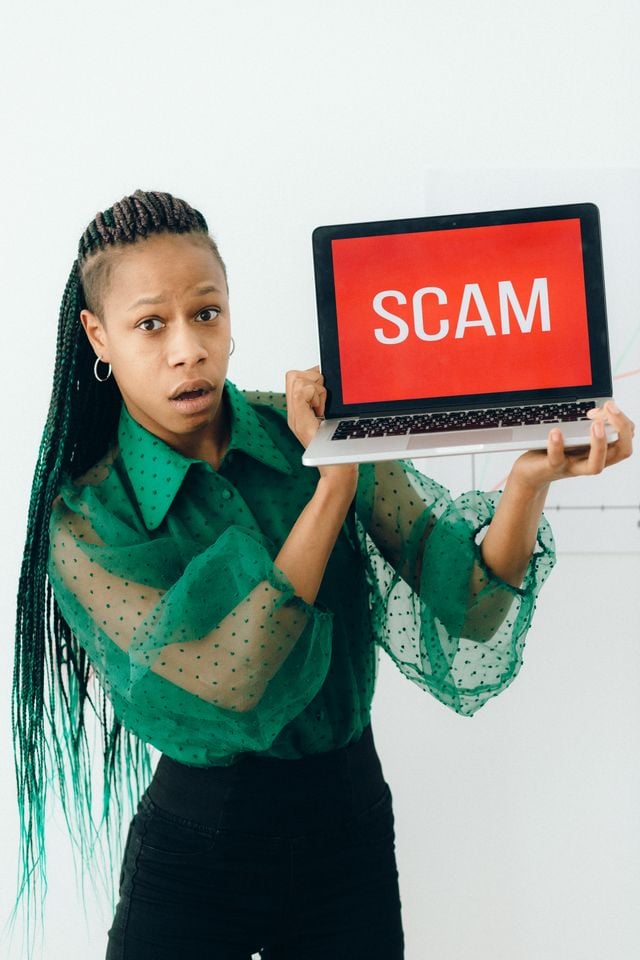
During a recent technology search, I encountered dozens of fake profiles, stolen LinkedIn identities, and people presenting themselves as the candidate on a résumé when I knew they weren’t.
It was frustrating. Time that should have been spent evaluating skills and building relationships went into figuring out who I was actually talking to.
That experience brought a bigger issue into focus: trust in the hiring process—especially for remote technology roles.
Employers are asking, “Is this person who they say they are?” Candidates facing fake job postings and recruiter impersonation are asking, “Is this opportunity real?”
The cost goes beyond wasted time. Legitimate candidates face more scrutiny, and legitimate employers have to work harder to establish credibility.
A few things I believe deserve more attention:
• Employers: Go beyond polished résumés. Ask detailed questions about actual projects, individual contributions, and technical decisions. Verify experience, references, and identity through a consistent, secure process.
• Candidates: Independently verify the recruiter and employer. Never pay to get a job, and be cautious about sharing sensitive information before confirming who you’re dealing with.
• Recruiters: Make our own credibility easy to verify. Explain the hiring process, communicate clearly, and be transparent about what we can share—even when a search is confidential.
AI adds another layer to this challenge, but using it to prepare for an interview is very different from using it to fabricate experience or conceal an identity.
My takeaway from that search: we need verification that protects the process while still treating honest people with respect.


